

Abrasive and Sheet Metal


Choose your option

Choose your option

Choose your option

Choose your option

Choose your option

Choose your option
Choose your option

Choose your option

Choose your option
Choose your option

Choose your option

Choose your option

Choose your option

Choose your option
Choose your option

Choose your option

Choose your option

Choose your option

Choose your option
Choose your option

Choose your option

Choose your option

Choose your option

Choose your option

Choose your option
Choose your option

Choose your option
Choose your option

Choose your option
Choose your option

Choose your option

Choose your option


Choose your option

Choose your option

Choose your option

Choose your option

Choose your option

Choose your option

Choose your option

Choose your option

Choose your option

Choose your option

Choose your option
Choose your option

Choose your option

Choose your option

Choose your option

Choose your option

Choose your option

Choose your option
Abrasive and Sheet Metal
What is an abrasive product?
An abrasive product is used to polish, sand, or clean surfaces. It is composed of abrasive grains bonded by rubber, resin, or an adhesive. The grains can be silicon carbide, aluminum oxide, or industrial diamonds, depending on the application and required hardness.
The role of abrasives in bodywork
Abrasives remove imperfections, prepare surfaces for painting, and create a smooth and uniform finish. They are used throughout the repair process, from initial stripping to final finishing.
The best brands of abrasive rolls
Brands like 3M and Norton are recognized for their quality and variety of abrasive products. They offer solutions tailored to various industries, ensuring efficiency and durability.
Characteristics of abrasive products
Shapes
Abrasives are available in the form of discs, belts, rolls, and sheets, suitable for various applications and types of machines. Discs are often used for cutting and grinding work, while belts and rolls are ideal for large surfaces. Abrasive sheets, on the other hand, are perfect for precision work and hard-to-reach areas.
Sizes
Abrasives vary in size, from fine grains to coarser grains, depending on the desired level of finish and speed of material removal. Fine grains are used for delicate finishing work, providing a smooth surface ready for painting. Coarser grains are preferred for initial sanding stages, where rapid material removal is necessary.
Types of grain
The type of grain determines the aggressiveness of the abrasion. Silicon carbide is very abrasive for demanding applications, while aluminum oxide is versatile and durable. Industrial diamond grains are used for the hardest materials, offering exceptional performance and long life.
Fastenings
Abrasives can be attached by gluing, screwing, or mounted on adhesive or velcro backings, depending on the ease of change and the type of machine used. Adhesive and velcro fastenings allow for quick and easy replacement of abrasives, thus increasing work efficiency. Screwed fastenings offer increased stability for applications requiring high pressure.
Categories of abrasives
Cutting and grinding discs
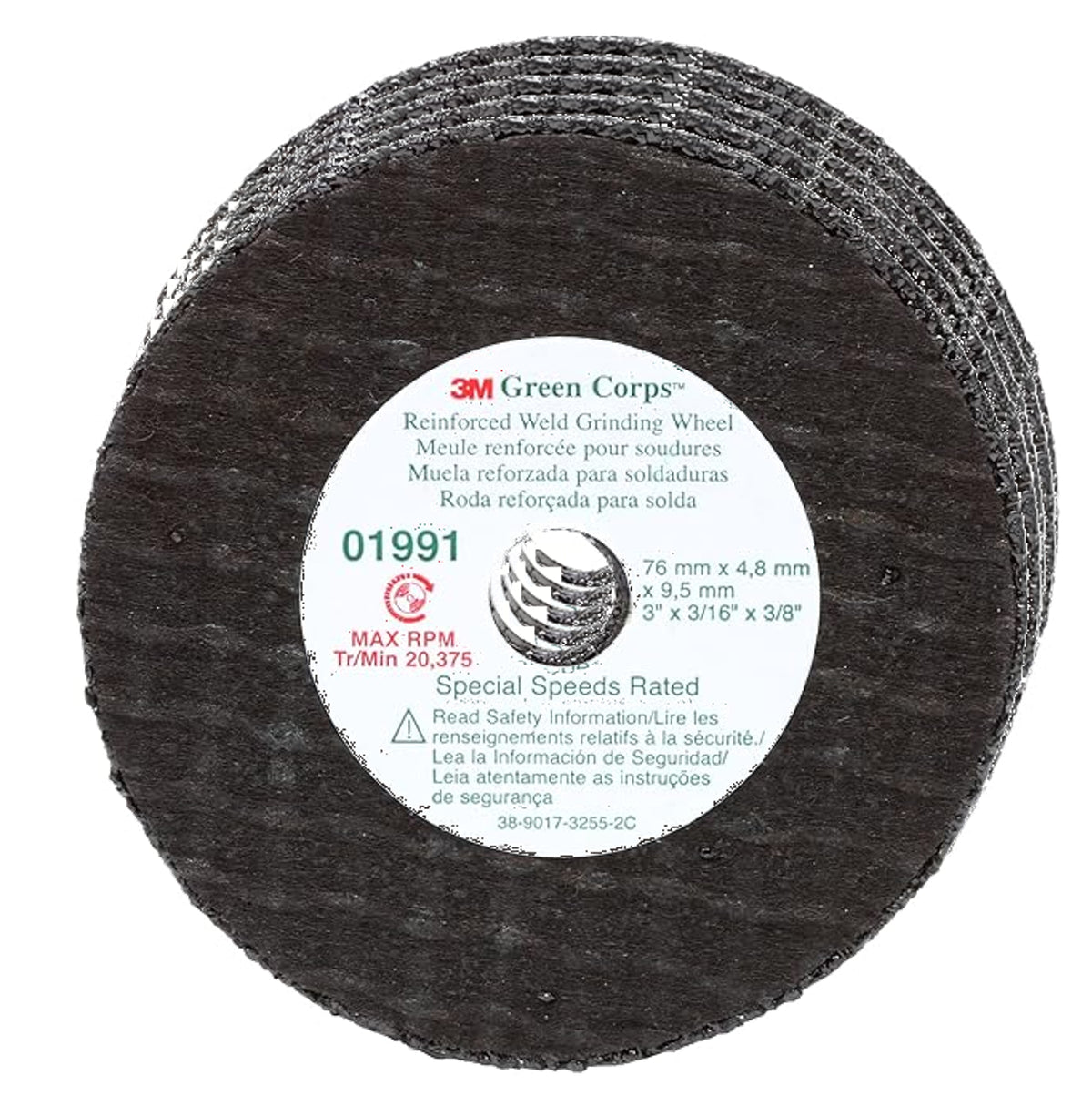
Effective for cutting metal and grinding surfaces, these discs remove bumps and level welds. They are essential for surface preparation work, allowing for the quick removal of unwanted materials and preparing the area for the next stages of repair.
Stripping brushes, wheels, and discs
Used to remove rust, paint, and other contaminants, leaving a clean surface ready for primer. These tools are particularly useful for metal surfaces, where meticulous preparation is necessary to ensure optimal adhesion of paint and protective coatings.
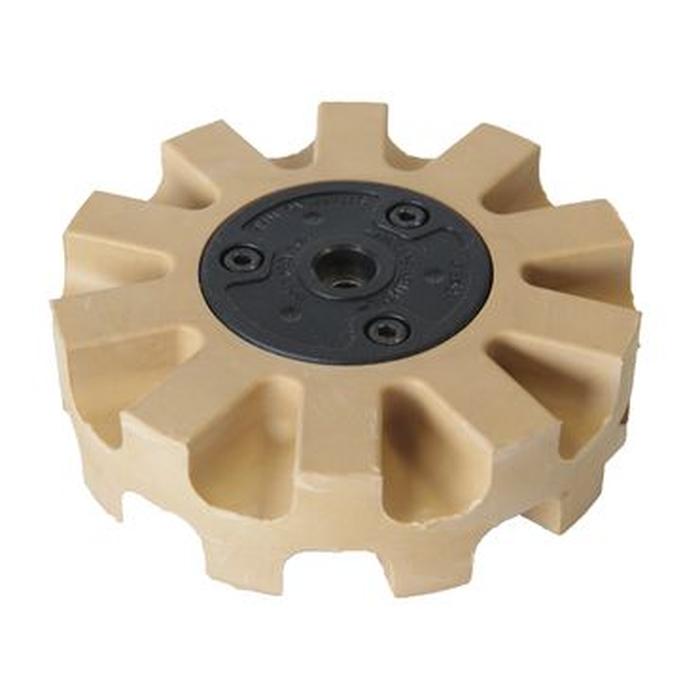
Cleaning and adhesive removal wheels
Allow for the removal of adhesives and sticky residues without damaging the underlying surface. These wheels are ideal for finishing work where surface cleanliness is crucial, ensuring that new layers of paint or adhesive adhere correctly.
Sanding tools
Sanding blocks and sanding guides
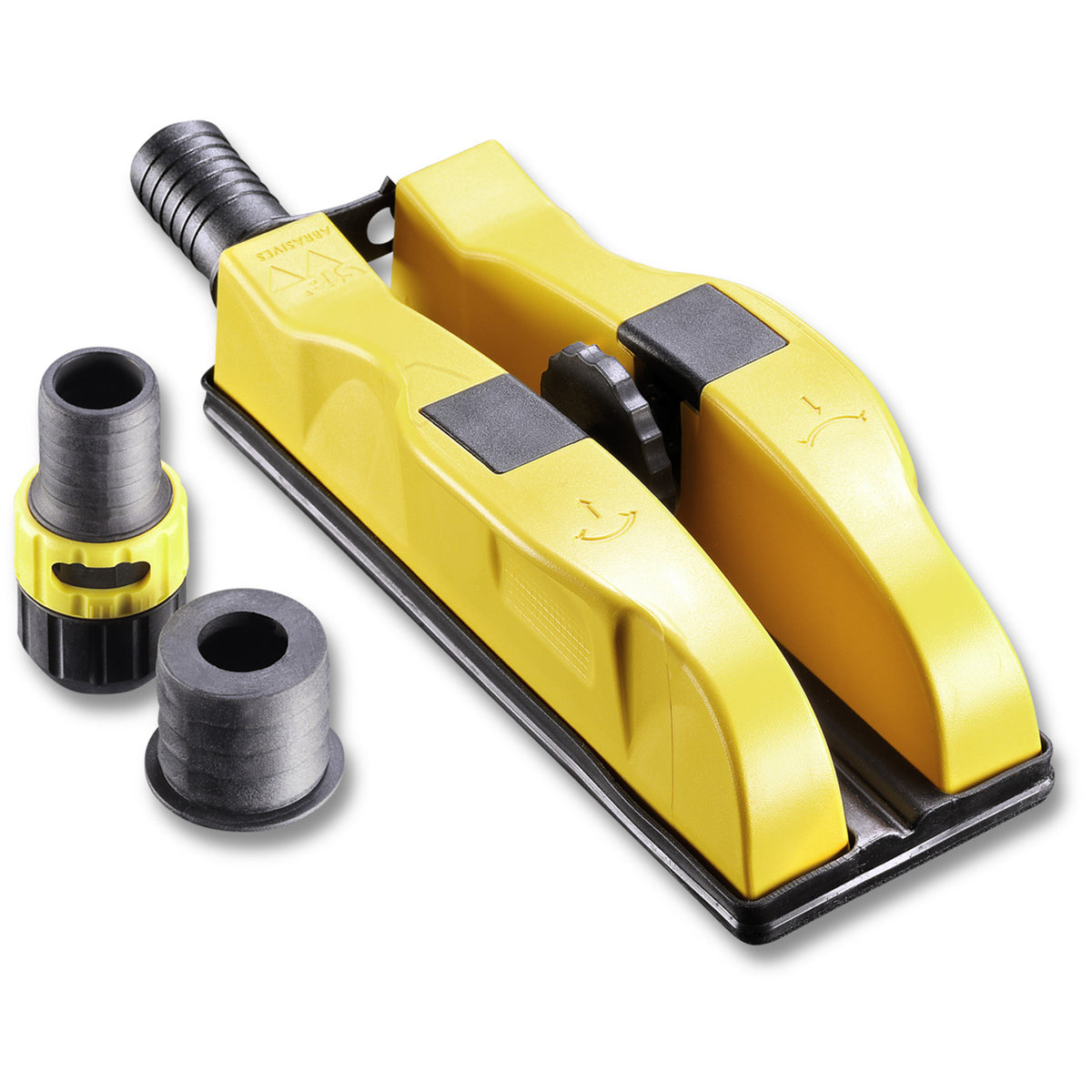
Essential for achieving a smooth surface before painting. The sanding guide helps identify and eliminate imperfections. Sanding blocks allow for maintaining even pressure on the surface, ensuring uniform sanding and optimal preparation for subsequent stages.
Dry and water abrasive paper
Used for sanding and removing old paint or rust. Water paper is ideal for final sanding before painting, offering a smooth and dust-free finish. Dry abrasive paper is used for initial sanding stages, where rapid material removal is necessary.
Abrasives for finishing work
Abrasive strip and cut, cataphoresis disc
Used for finishing work or removing oxidation on metal surfaces. These abrasives are designed to provide a high-quality finish, preparing surfaces for final layers of paint or coating.
Sanding pad and interface, abrasive disc
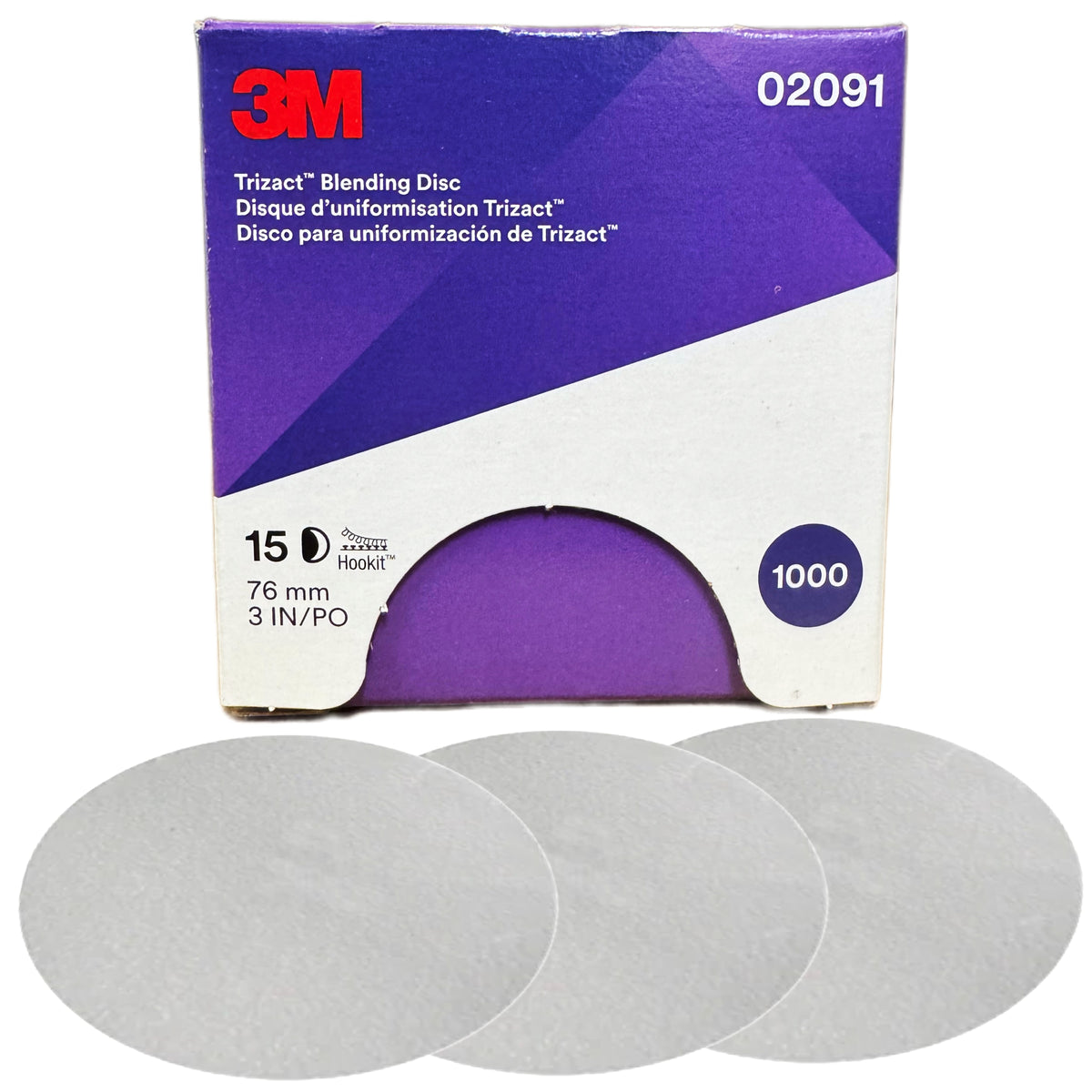
Essential for sanding large surfaces, they remove imperfections and prepare the surface for primer. The sanding pads and interfaces allow for uniform application of the abrasive, ensuring a smooth and even finish.
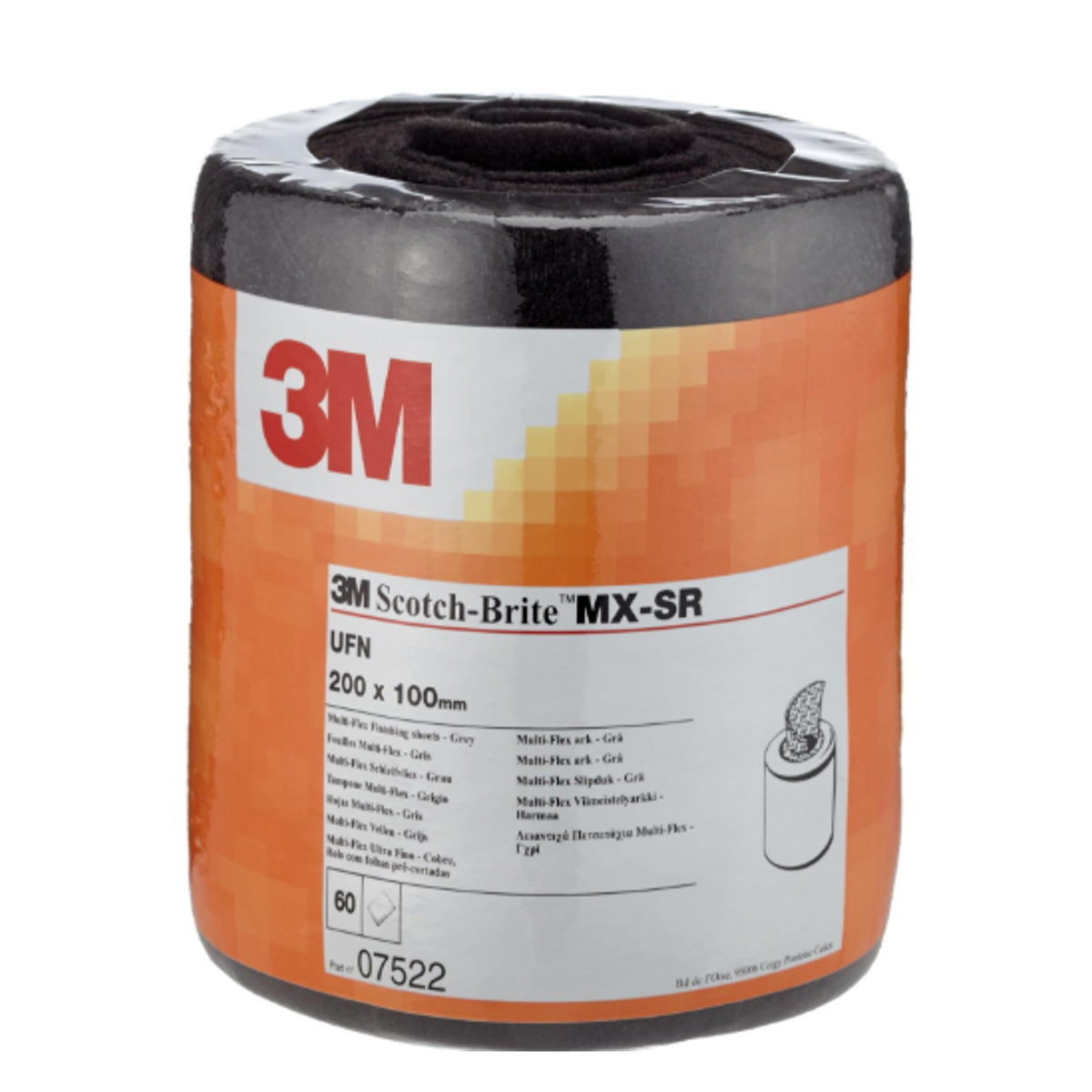
Finishing disc on foam, Scotch Brite, and abrasive sponge
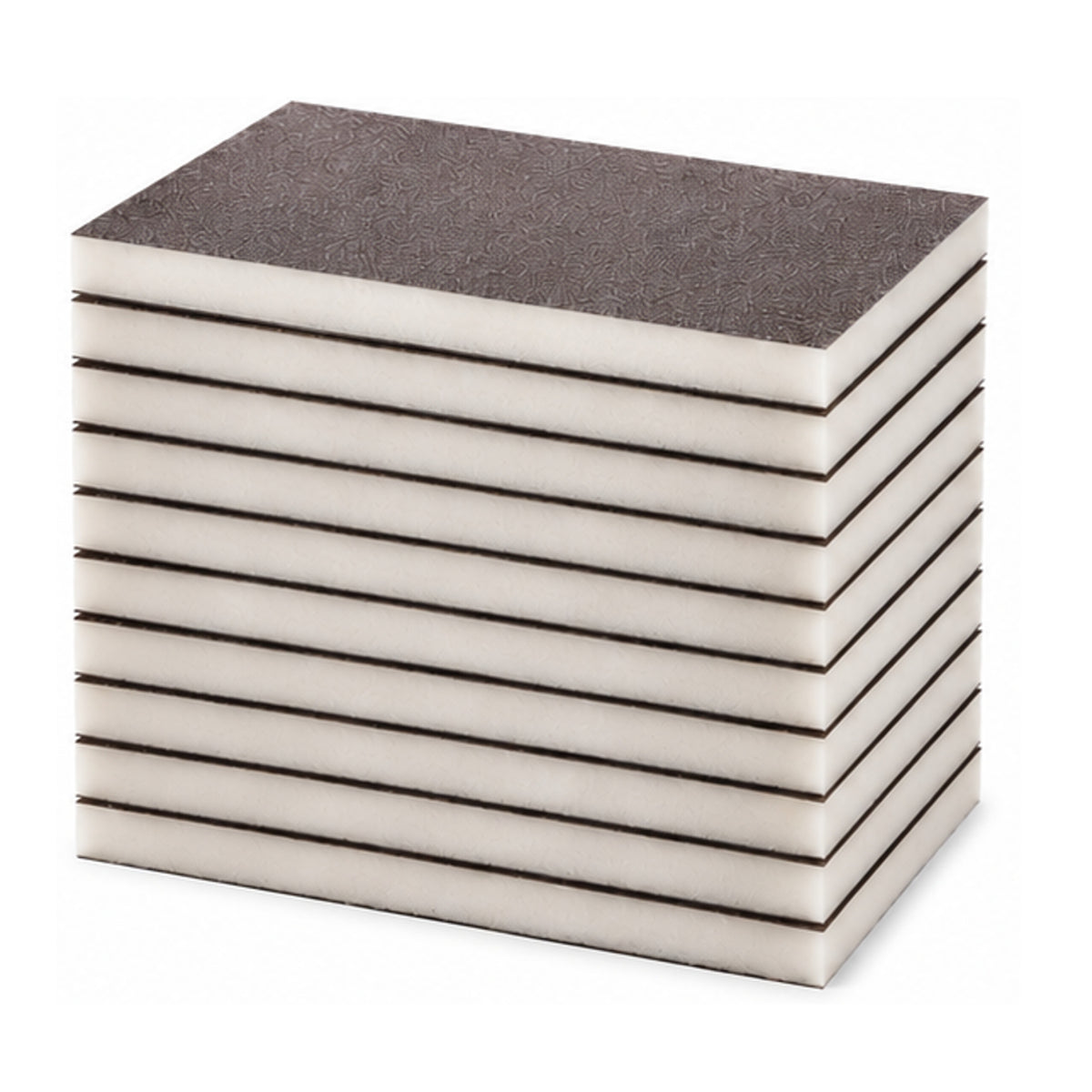
Used for polishing and finishing, creating a smooth and shiny surface ready for painting. These tools are perfect for the final stages of preparation, where particular attention to detail is necessary to achieve an impeccable finish.
Foam abrasive roll
Ideal for curved or irregular surfaces, ensuring uniform sanding. The foam abrasive rolls adapt to the contours of the surface, allowing for effective and even sanding even in hard-to-reach areas.
Use of abrasives by body shop technicians
Surface preparation
Before painting, the surface must be prepared with cutting and grinding discs to remove dents, and brushes, wheels, and stripping discs to eliminate rust and paint. This step is crucial to ensure optimal adhesion of the subsequent layers and a high-quality finish.
Sanding and polishing
After preparation, body shop technicians use sanding blocks and sanding guides. Abrasive paper, dry or wet, is used to smooth the surface before the primer. Sanding and polishing are essential steps to achieve a perfectly smooth surface ready for the final paint.
Importance of abrasives for finishing work
After preparation and sanding, abrasives play a key role in finishing work, ensuring a surface ready for painting. Finishing abrasives allow for a smooth and even surface, essential for high-quality paint application and a professional finish.
The finish
The abrasive strip and cut, the cataphoresis disc, the sanding pad, and the abrasive disc are all used at this stage. They help eliminate the last imperfections and prepare the surface for the primer. These tools are essential to ensure that the surface is perfectly smooth and free of any defects before the paint application.
The final touch
Once the primer is applied and dried, body shop technicians use the finishing disc on foam, Scotch Brite, abrasive sponge, and abrasive foam roll to polish the surface and give it a smooth and shiny finish before the final paint application. These tools allow for an impeccable finish, essential for a professional result.
Do abrasive rolls have good longevity?
The longevity of abrasive rolls strongly depends on their composition and use. Rolls made with high-quality grains like silicon carbide or aluminum oxide tend to last longer, especially when used correctly on suitable surfaces. The density and distribution of grains on the backing also influence their lifespan, allowing for uniform wear and prolonged efficiency.
How to preserve an abrasive roll in the long term?
To maximize the lifespan of an abrasive roll, it is crucial to store it in a dry and cool environment to avoid moisture that can deteriorate the binders and abrasive grains. It is recommended to hang it vertically or store it flat to prevent any deformation. Protecting the rolls from contaminants such as dust or metallic particles can also prevent premature wear and maintain the product's efficiency.
With what type of machines are abrasive rolls associated?
Belt sanders
Belt sanders are effective for the use of abrasive rolls, particularly in roughing operations. They allow for quick handling of large surfaces, ideal for tasks requiring substantial material removal, such as preparing raw wood surfaces or smoothing metal parts before painting. Their design allows for continuous and efficient use, reducing work time and increasing productivity.
Orbital sanders
Orbital sanders, using abrasive rolls, offer a neat and uniform finish. They are preferred for finishing tasks requiring high precision, such as surface preparation for lacquer or clears. Their orbital movement minimizes sanding marks, producing a smooth and flawless finish. These machines are ideal for detailed work and curved surfaces, where an impeccable finish is required.
Grinders
Grinders, in conjunction with abrasive rolls, are suitable for tasks requiring more intense and targeted material removal. They are often used to adjust, shape, or eliminate imperfections on hard surfaces like metal or concrete, where more robust abrasion is necessary to achieve the desired results. Grinders offer great flexibility and power, allowing for precise handling of resistant materials.
The choice of abrasives: a key factor in work quality
The choice of abrasives is essential in the bodywork process. Each tool has a specific role to play, and it is the experience and expertise of the body repair specialist that determine when and how to use each abrasive to achieve the best results. A judicious selection of abrasives can improve work efficiency and finish quality.
The importance of abrasive selection
The choice of abrasive to use depends on the task at hand. For example, coarse-grit abrasives are excellent for quickly removing materials, while fine-grit abrasives are used for finishing work and to achieve a smooth and even surface. A good selection of abrasives allows for optimization of each step in the repair and finishing process.
Skill in the use of abrasives
Knowing when and how to use each type of abrasive requires experience and a deep understanding of the bodywork process. This is where the skill of the body repair specialist comes into play. Effective use of abrasives can greatly enhance the quality of the finished work and customer satisfaction. Mastery of sanding and polishing techniques is essential to achieve professional results.


