

Masking


Choose your option

Choose your option
Choose your option

Choose your option

Choose your option


Choose your option


Choose your option

Choose your option


Choose your option

Choose your option

Choose your option

Choose your option

Choose your option

Choose your option

Choose your option

Choose your option
Choose your option


Choose your option
Choose your option

Choose your option

Choose your option
Choose your option

Choose your option

Choose your option

Choose your option

Choose your option

Choose your option

Choose your option

Choose your option

Choose your option

Choose your option

Choose your option

Choose your option
Choose your option

Choose your option
Choose your option

Choose your option

Choose your option


Choose your option


Choose your option

Choose your option

Choose your option


Choose your option

Choose your option

Choose your option
Masking
Masking: A Crucial Step
Masking is an essential step in the vehicle repair or painting process. By protecting areas that should not be exposed to paint, it preserves their integrity and prevents costly, time-consuming touch-ups.
More than just protection against paint, masking ensures cleanliness and precision in the body shop’s work, helping achieve a professional finish that meets even the most demanding customer expectations.
Why Is Masking Essential for Body Shop Technicians?
Masking offers several key benefits:
-
Precision: It allows paint to be applied only where needed, ensuring a clean and accurate finish.
-
Protection: It shields non-painted parts of the vehicle from potential damage caused by paint or other treatments.
-
Efficiency: By avoiding unnecessary corrections, masking saves time and increases productivity.
-
Professional quality: Proper masking is a hallmark of professionalism and attention to detail.
Different Masking Options
Body shop professionals use various masking materials, each suited to specific needs. Here are the most common ones:
-
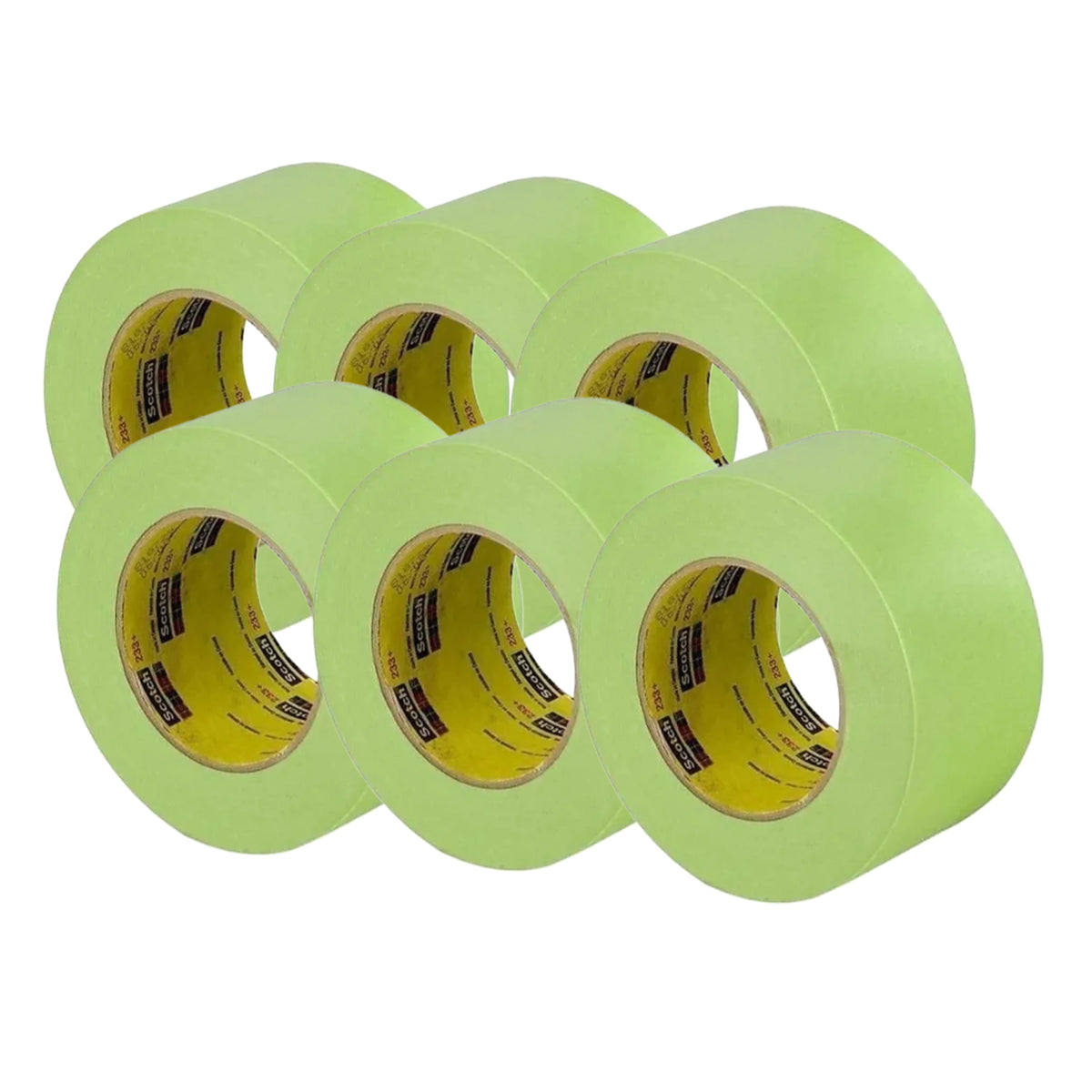
Masking tape roll:
Appreciated for its simplicity, it provides strong adhesion and effective protection for sensitive areas. -
Foam masking tape:
Highly flexible, ideal for protecting irregular or curved surfaces of the vehicle. -
Windshield masking:
A crucial step to protect glass surfaces during painting. Adhesive plastic films or specialized tapes are typically used. -
Masking film:
Efficient for covering large surfaces, providing strong protection against paint, dust, and debris. -
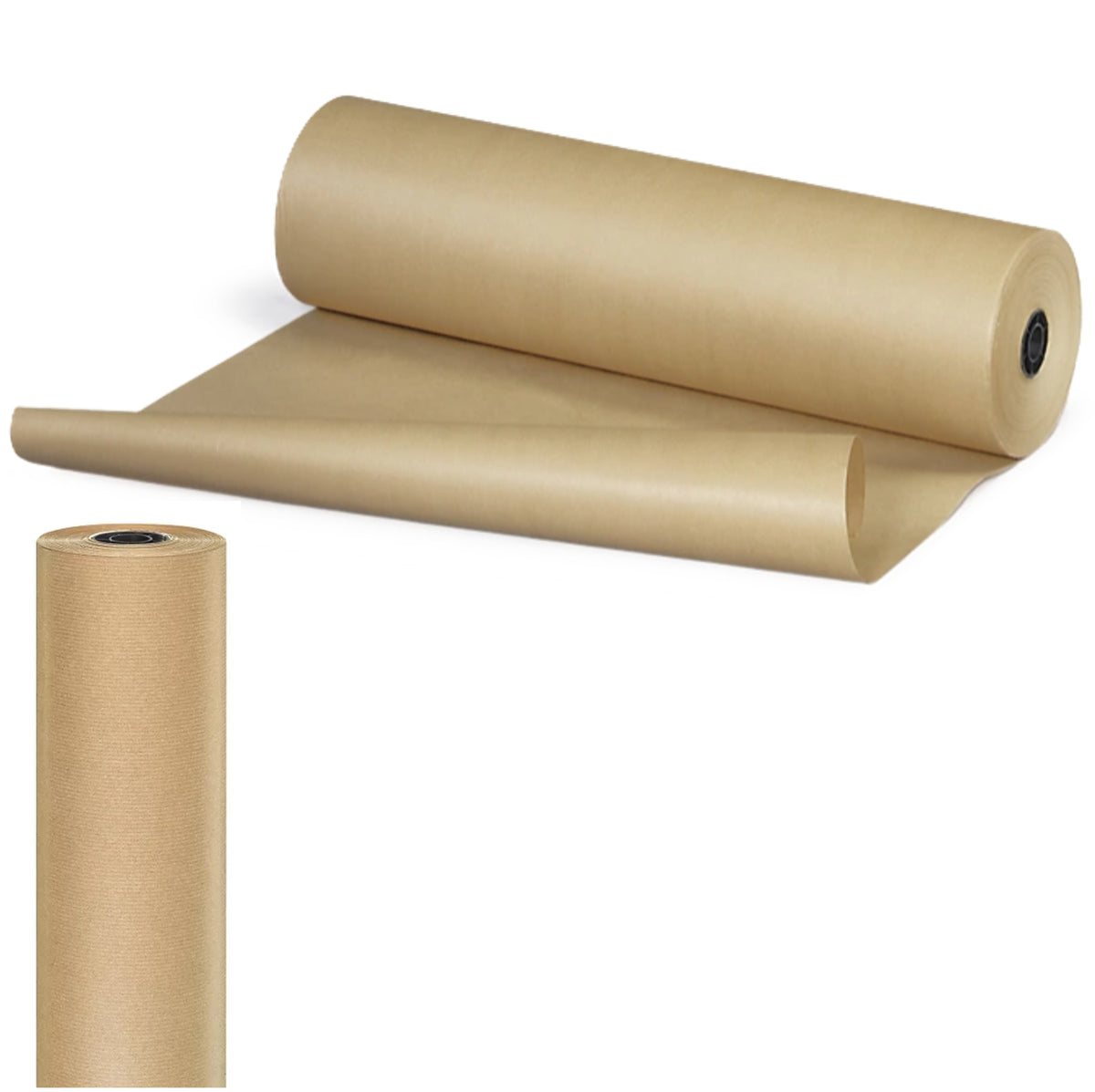
Masking paper and kraft paper:
Economical options ideal for large areas, usually applied with adhesive tape for quick and easy use. -
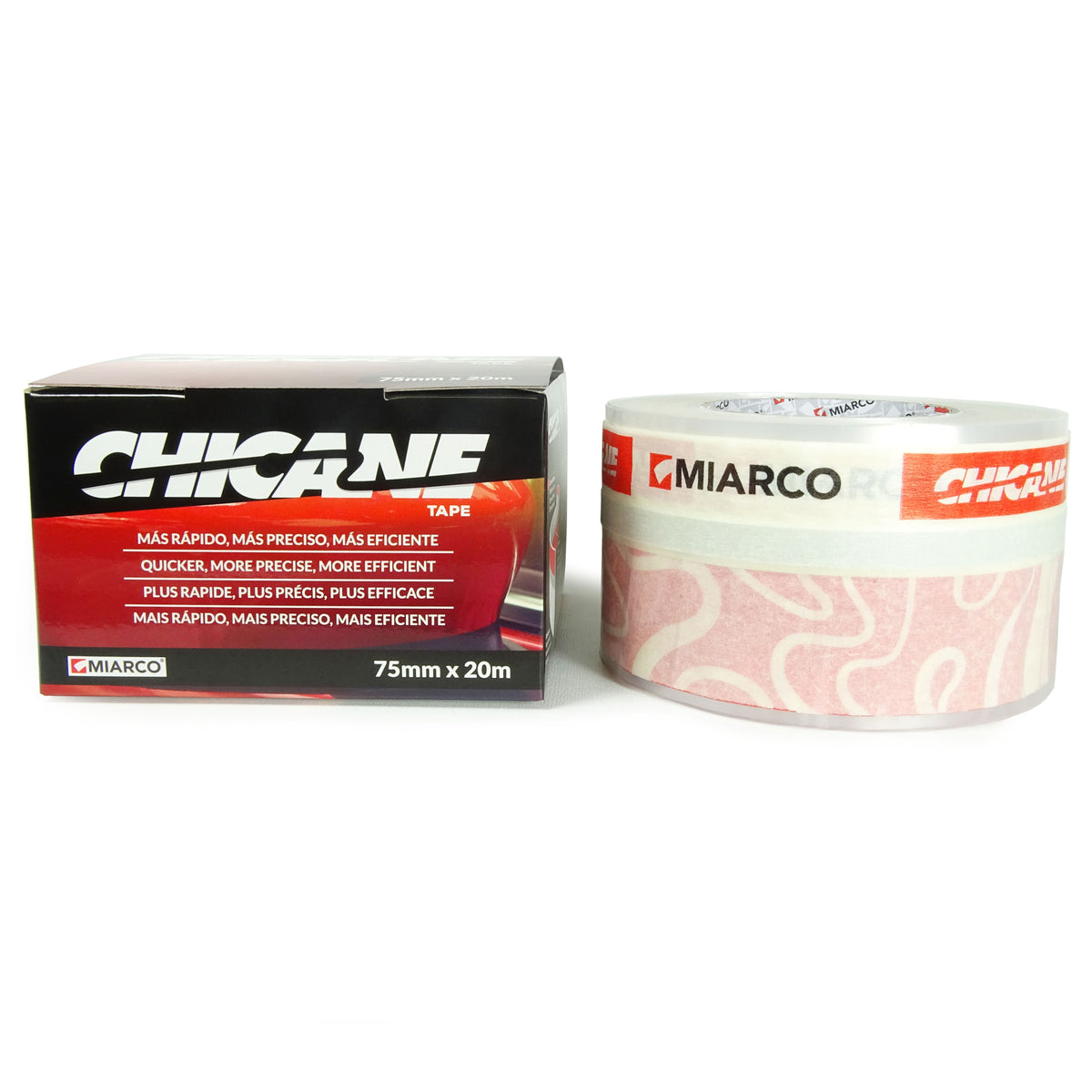
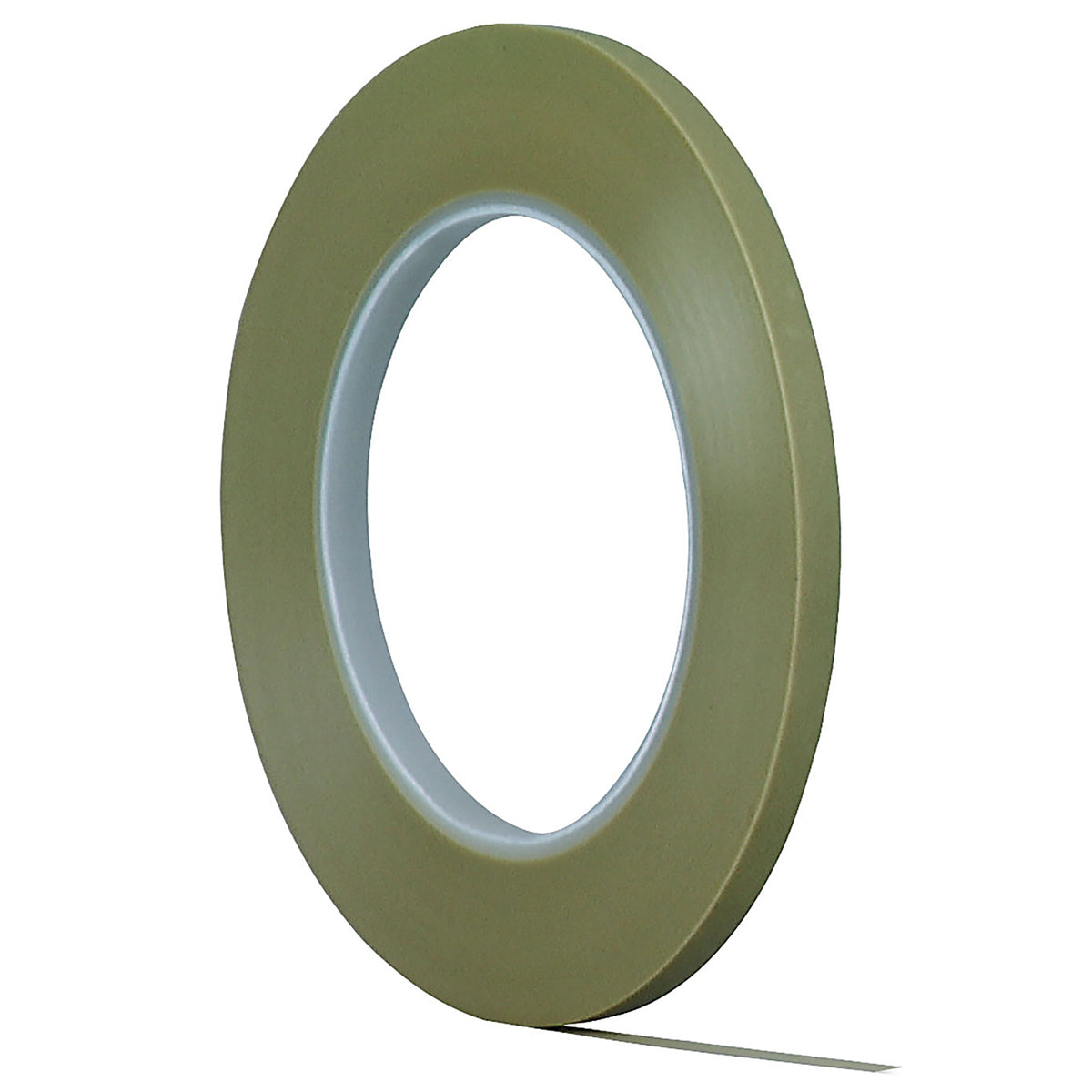
Decorative tape:
Used for custom paint designs, helping create clean, precise lines and decorative patterns.
Best Masking Practices for Body Shop Professionals
Knowing the materials is not enough — proper application is key. Here are some recommendations for effective masking:
-
Preparation: Ensure the surface is clean and dry; any residue may affect adhesion.
-
Material choice: Select the right masking product for the job. Foam tape works best for uneven surfaces, while masking film suits large areas.
-
Careful application: Apply tape smoothly to avoid air bubbles, which could allow paint to seep underneath.
-
Gentle removal: Remove masking tape carefully to avoid damaging fresh paint. Ideally, do this while the paint is still slightly wet.
Tips for Optimal Masking Results
Masking is an art that requires skill and precision. The following tips can help you achieve the best results:
-
Invest in high-quality materials:
Low-grade materials may peel off or let paint seep through. Premium masking products ensure perfect adhesion and clean edges. -
Continuous training:
Masking techniques evolve alongside automotive technologies. Stay up to date through professional training and workshops. -
Pay attention to detail:
Don’t overlook small areas like joints and seams — these are often forgotten but can easily be damaged by paint overspray. -
Practice dry masking:
“Dry masking” involves applying masking tape without any liquid barrier. It’s often faster and cleaner when using high-quality tape. -
Test before painting:
Apply a small amount of paint on a masked area to check for leaks or adhesion issues before proceeding with the full job.
Conclusion
Masking is far more than just a preparatory step — it’s a guarantee of quality, precision, and efficiency in professional body repair work.


