

Abrasive Strip and Cut

Choose your option

Choose your option

Choose your option

Choose your option

Choose your option

Choose your option

Choose your option

Choose your option
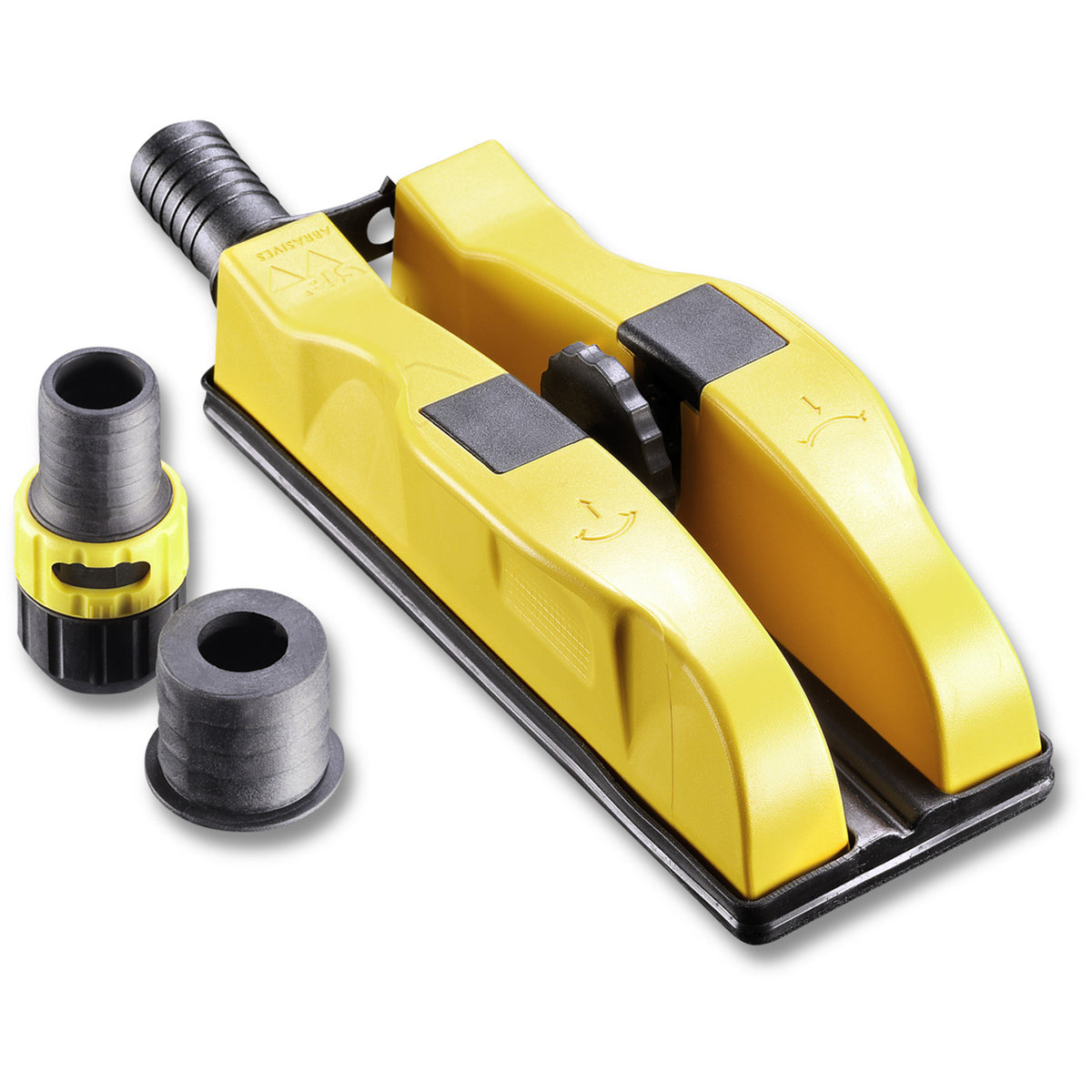
Choose your option

Choose your option

Choose your option
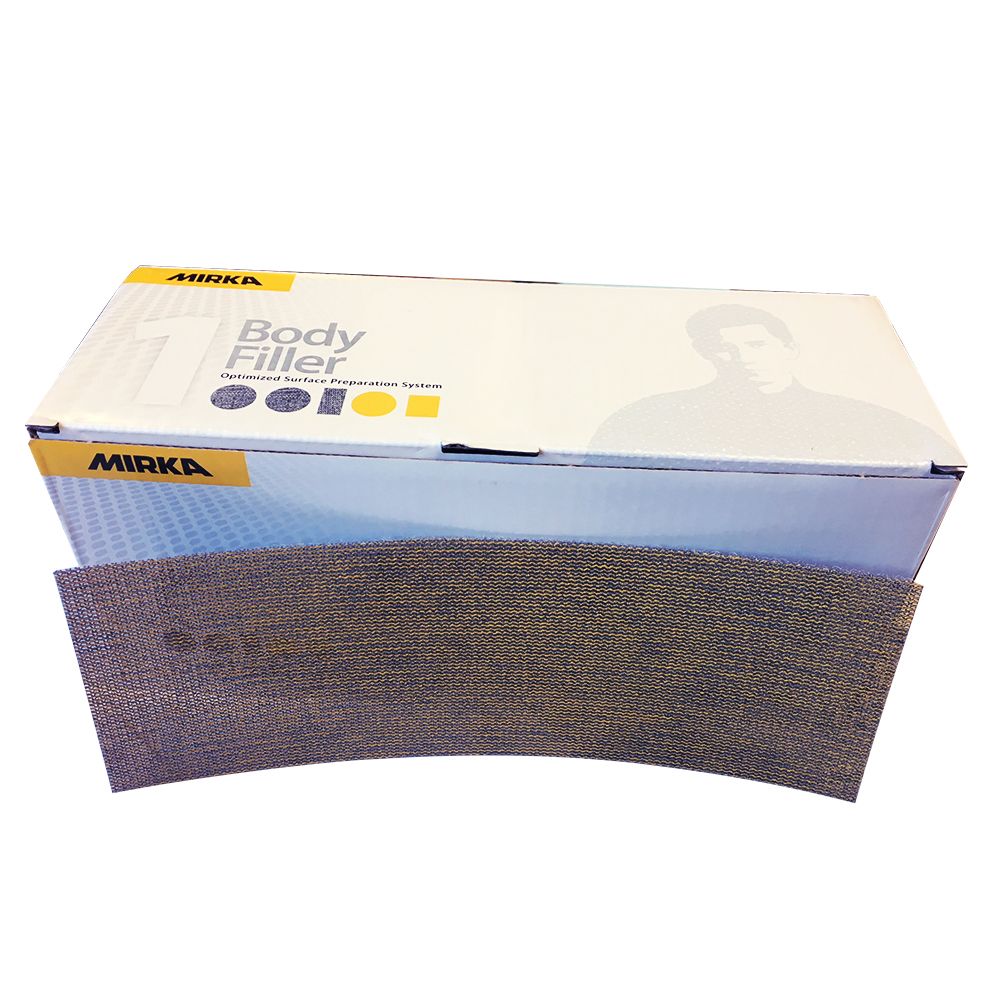
Choose your option
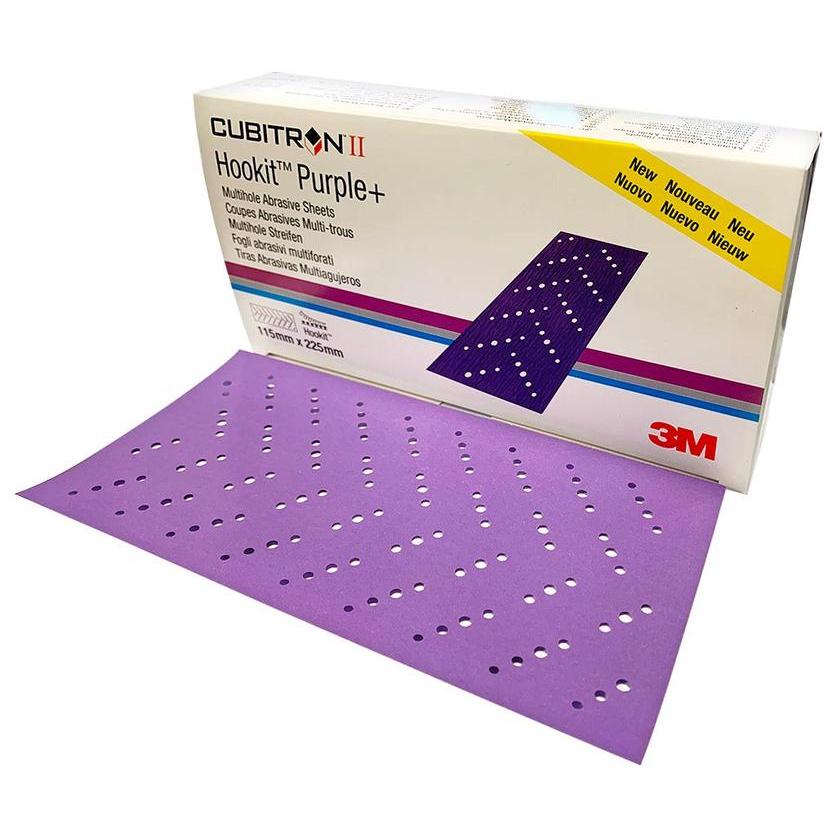
Choose your option

Choose your option

Choose your option
Choose your option
Choose your option

Choose your option
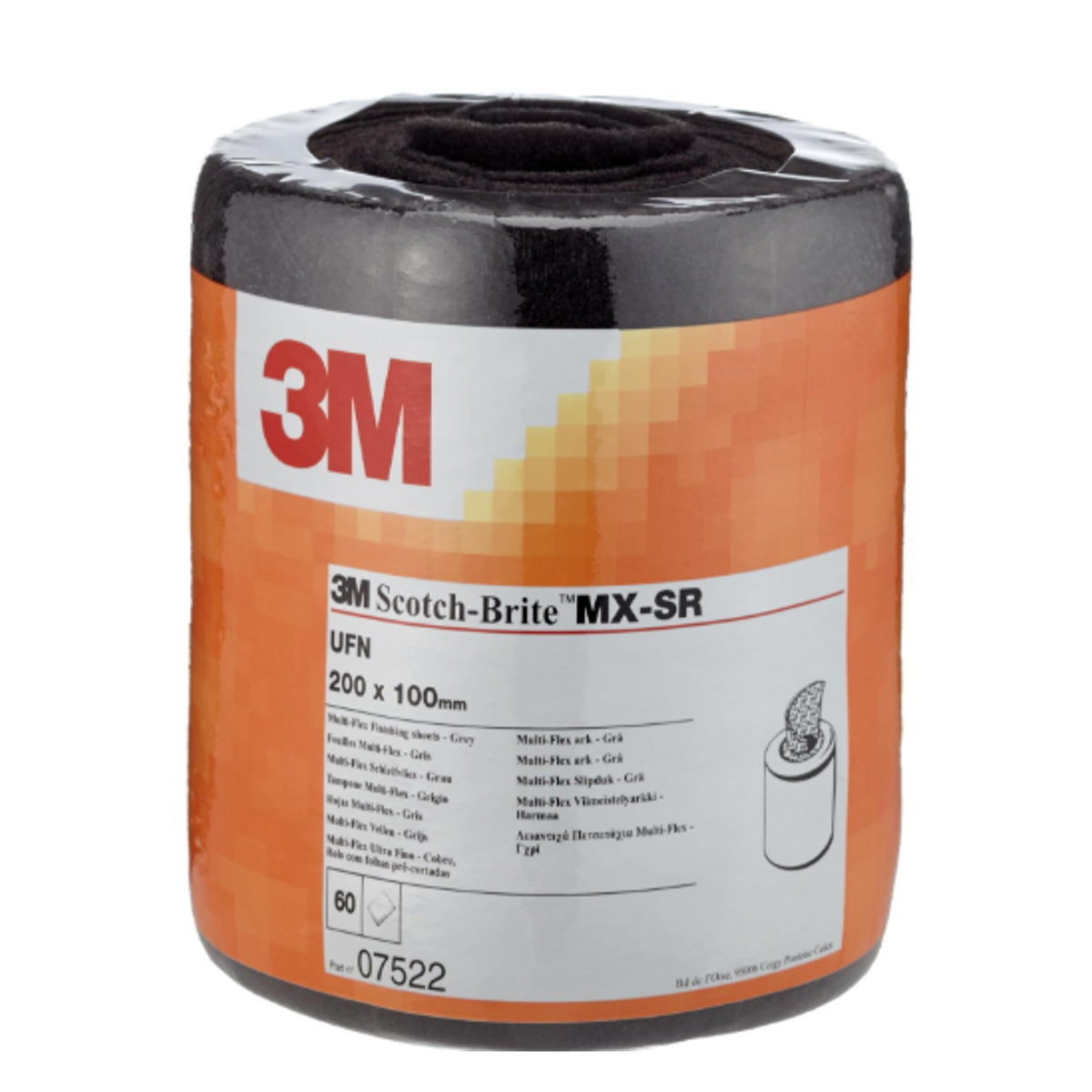
Choose your option


Choose your option
Abrasive Strip and Cut
What is a bodywork abrasive belt?
A hard and sharp body composed of several grains, the abrasive is available in several formats. Among its types, the abrasive belt is used with belt sanders. The abrasive cut is used to grind weld points and sand the treated surface. This type of abrasive allows sanding in hard-to-reach places, such as a poorly placed weld when replacing the vehicle's wing. The bodywork abrasive belt is very effective in auto repair, especially for finishing, polishing, and sanding operations.
The principle of abrasion consists of applying a material to scratch another upon contact. In this sense, the grain size defines the expected finish type. The higher the number, the better the result in terms of detail. For example, P100 abrasives are practical for removing large dents, while P600 abrasives are ideal for final finishes and micro-scratches. The bodywork abrasive belt is used on manual and automatic sanding devices to achieve a perfect and flawless polish.
Types of abrasive belts for sanding
The bodywork abrasive belt is composed of the abrasive that covers it as well as the backing. The abrasive can be made of aluminum oxide, silicon carbide, or zirconium. There are also ceramic cuts. Indeed, the manufacturing of abrasive belts can be done with materials of natural or synthetic origin. The difference lies in the hardness of the belt and the grains.
- Aluminum oxide: it is the most used abrasive among professional bodyworkers. It is hard and resists wear well. Moreover, it guarantees good penetration and is suitable for sanding steel or bronze surfaces.
- Silicon carbide: very hard and sharp, this compound breaks quickly. It is often used to treat weak and fragile surfaces, notably those made of plastic, aluminum, or rubber.
- Zirconium: less hard than aluminum oxide, zirconium is however more tenacious. It is generally used for treating hard alloys and deburring some metals.
- Ceramic: this type of body abrasive belt is suitable for use on alloys or stainless steel surfaces.
What is a body abrasive belt used for?
Sanding is an integral part of car repair. This step consists of getting rid of dents, scratches, cracks, and irregularities on the surface of the car body. It is carried out during coating of the entire body or even for touch-up or repair work on specific areas and reduced surfaces. The goal is to have a smooth, polished, uniform finish that properly receives the paint to be applied.
Because welding burrs in metal junction parts are unpleasant to see, the body abrasive belt allows the removal of irregularities by applying circular movements on the surface in question. It is used in this context because of its properties. Thanks to the grains that make up the abrasive, the belt removes impacts to restore the bodywork to its perfect appearance.
How to choose your body abrasive belt?
The choice of the abrasive belt depends on the nature of the intervention to be carried out. Here is a non-exhaustive list of the main interventions and the types of abrasive belts recommended:
- Stripping: to strip the paint from your bodies and expose the bare metal, it is advisable to use belts with a large abrasive size to avoid clogging of papers or discs, unsuitable for this case. In terms of grains, favor abrasives with grain ranging from P40 to P150.
- Sanding for putty: it is possible to use several belts depending on the nature of the putty applied. For example, for polyester, universal and plastic putties, we recommend an abrasive with grains between P80 and P240.
- Sanding ofprimer: to sand filling primers, we recommend using abrasive with grains between P360 and P500. If irregularities persist, apply sanding with abrasive type P500 to P800.
For more information on all the abrasives available at ColorBox, do not hesitate to contact us.


